If your training isn’t keeping up with the needs of your workforce, you’ll feel it. Your teams will be disengaged, processes outdated, and turnover will rise.
Employee training isn’t “set it and forget it.” It’s a strategic function that should evolve alongside your organization and its people. But how do you know when it’s time to rethink your approach?
Here are six signs that it’s time to refresh your training program. Plus, here’s what each one looks like in practice.
1. Outdated Content or Technology
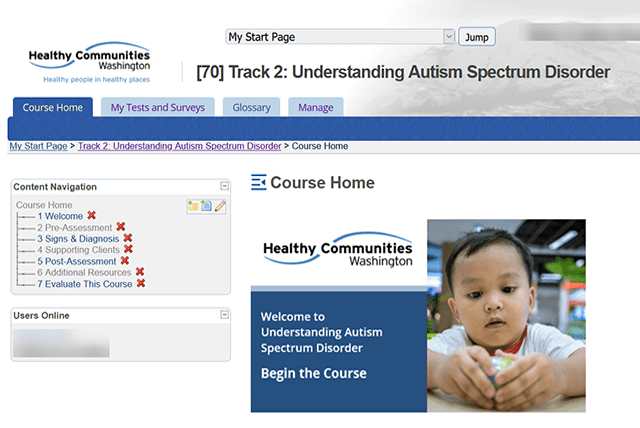
Are your new hires watching videos from 2016 that reference now-defunct tools and policies? That’s your tip-off.
If your materials haven’t been updated in the last few years, there’s a good chance they’re misaligned with current industry standards. Employees notice when training is stale or irrelevant. That undermines your credibility and tanks their effectiveness. Legacy platforms can also cause headaches with accessibility and tracking.
Review your content library every 12 to 18 months. Upgrade platforms that don’t integrate with your current HR systems.
2. Low Engagement and Completion Rates
Have you noticed that only 40% of your staff finished a required online course? And even fewer take the optional ones?
This points to a deeper issue: your training may not feel useful, accessible, or tailored to learners’ roles. Low completion is often a symptom of content that’s too long, overly technical, or disconnected from daily work.
The fix is to reformat your training into shorter, more interactive experiences. Think about microlearning, checklists, or scenario-based modules.
3. Skill Gaps or Poor Performance
Is your team struggling with digital tools introduced six months ago, despite having completed onboarding?
If performance is lagging or quality is dropping, your training might not be equipping people with the right skills. A disconnect between what’s taught and what’s needed on the job can create frustration and inefficiency. Here’s a helpful article on KPIs for training programs.
Conduct regular training needs assessments (like this one) that involve both learners and supervisors to identify real gaps.
4. Increased Errors or Compliance Failures
Did a recent audit uncovered safety violations that employees should have known how to avoid?
Regulatory changes happen fast. If your compliance training doesn’t keep up, you’re putting your organization and your clients at risk. Errors due to outdated procedures or incomplete guidance are costly and dangerous.
Set up a rapid-update process for high-stakes or regulated content, with input from your compliance team.
5. High Employee Turnover or Dissatisfaction
Are your employees leaving? Do exit interviews reveal that employees feel there’s no clear path to advancement?

When people don’t see growth opportunities, they leave. A stale or nonexistent training plan sends the message that development isn’t valued. Training should be part of a broader strategy to retain and engage talent.
Tie your training program to career ladders, mentorship, or certification pathways to show employees how they can grow.
6. Inconsistencies Across Teams or Processes
Have you noticed that one department follows a 10-step intake process, while another skips steps and uses their own forms?
Lack of standardization wastes time and creates liability. It also signals that employees are either unaware of protocols. It could also mean that they didn’t buy into the training. Inconsistent training leads to inconsistent results.
Audit key workflows and use eLearning to deliver unified, role-specific guidance at scale.
If you’re seeing even one of these signs, it’s time to reevaluate your training strategy. You don’t need to start from scratch, but you do need to start. A proactive approach helps you keep up with the demands of a modern, evolving workforce.